
What a Property Survey Can Reveal Before Buying a Vacant Lot
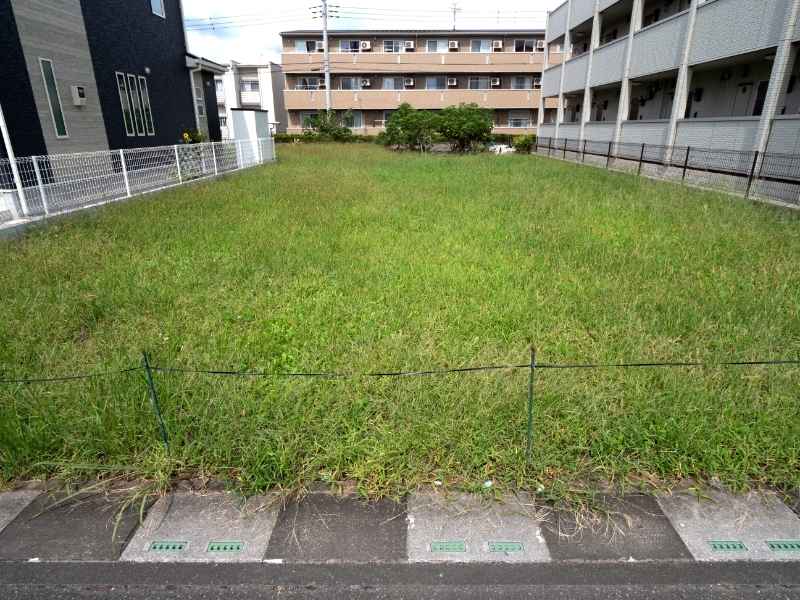
A vacant lot looks simple on paper. It has a shape, a size in acres, and a price. Then a property survey comes back. It shows the buildable space is only half of what the listing seemed to promise. Why? A drainage easement runs right through the middle of the lot. A setback rule also eats up more space along the road.
This happens often enough in Montgomery that smart buyers order a survey before they fall in love with a piece of land. They do not wait until they are already under contract with a closing date coming up fast. Vacant land has more unknowns than a lot with a house already on it. There is no building history to look at.
Uncovering Property Conditions Before a Vacant Lot Purchase
A property survey records the real facts about a piece of land. This includes the boundaries, the shape of the land, the ways to access it, and anything else you can see on the ground that affects how you can use the property.
For vacant land, this matters more than most people think. A lot with a house on it already shows you where the house sits, where the driveway goes, and where the utility lines connect. A vacant lot shows none of that. So the survey becomes your main source of facts about what the site can really support.
Montgomery keeps seeing steady interest in vacant lots, both inside the city and in growing areas like Pike Road and east Montgomery County. New homes and small businesses keep popping up there. Buyers in these spots often think a lot is simple because nothing has ever been built on it. But unbuilt does not mean unrestricted.
What a Basic Survey Typically Covers
A standard boundary survey or property survey shows the legal property lines, any visible spots where something crosses onto the land, and general site features. It does not always include height data, flood zone info, or a full title check. Ask your surveyor which type of survey fits what you need to check.
Identifying Boundaries, Access, and Site Limitations
Checking the boundary is the most basic job of a property survey. It matters more on vacant land than most buyers realize. Old maps, tax records and county files can be wrong or out of date. This happens a lot on lots that have been split or joined together over the years.
A survey should confirm:
- The exact legal boundary lines, tied to real markers when possible
- Real access to the property, including whether it faces a public road or depends on an easement
- Any gaps or overlaps with the land next door
- Setback rules based on current zoning
- The shape of the land that could limit where you can build
Access is worth checking closely. A lot with no direct road access, one that depends on an easement across someone else’s land, can make things harder. It can complicate your loan, your insurance and any future building plans. Check the legal right to access the land before you assume a driveway or road frontage works the way it looks.
Reviewing Easements and Existing Property Restrictions
Vacant land often carries easements that you cannot see just by walking around. Utility companies, drainage departments and even past owners can hold recorded rights that limit what a new owner can build.
A survey can reveal common limits like:
- Utility easements for power, water, sewer or gas lines
- Drainage easements tied to stormwater control
- Access easements that help a neighboring property
- Deed rules or covenants tied to a subdivision
- Setback lines required by current zoning that shrink the buildable space
Some of these rules come from the county or city. Others are private deals between past property owners. A survey along with a title search gives you a fuller picture than either one alone. This matters most on land that has changed owners many times.
Evaluating Development Potential With Survey Data
Once you confirm the boundaries, access and limits, survey data becomes the base for figuring out what the lot can really support. This matters whether you plan to build one home, a small group of homes, or a business.
Survey information that helps with this includes:
- The shape of the land, showing slopes, low spots and drainage paths
- Soil and site facts that could affect a foundation or septic system
- The real buildable space left after setbacks and easements are taken out
- Trees, structures or natural features that could affect your building layout
- Utility access points and how far they are from the site
A lot that looks big on a map can shrink a lot once you account for setbacks, easements and land you cannot build on. Getting this information before you agree on a price gives you a real sense of what the land can actually support.
Reducing Purchase Risks Through Property Due Diligence
Most costly surprises on vacant land deals come from skipped or delayed checks, not bad luck. A property survey is one of the more affordable steps in the process, especially compared to the risk it helps you avoid.
Before you finish buying a vacant lot, make sure you have:
- A current property survey showing boundaries, access and visible site features
- A title search that finds recorded easements, covenants and restrictions
- Confirmation of current zoning and any setback rules that apply
- An understanding of flood zone status if the lot sits near water or low ground
- A clear picture of utility access and what it will cost to bring services to the site
Timing matters if your purchase depends on a loan deadline or a set building schedule. Order the survey as early as you can during your check period. The results can change your bargaining power or even your choice to move forward at all. Rules and normal practices can be different depending on the county, lender and project size. Check your specific needs with a local surveyor and a real estate lawyer.
Frequently Asked Questions
Do I need a survey if the seller already has one from when they bought the lot?
An older survey might not show current conditions, boundary changes or new easements. Ask your surveyor if the old survey is new enough to trust, or if you need an updated one for your purchase.
How long does a property survey take on vacant land?
This depends on the size of the lot, the land shape, and whether the surveyor can find the old boundary markers. Ask your surveyor for an estimate that fits your project, especially if you have a closing deadline.
Can a property survey tell me if the lot is buildable?
A survey gives you the boundary, access and site facts you need to check if you can build there. But a full answer often also needs a zoning check, soil testing and flood zone status. Your surveyor can tell you what other steps might apply.
