
What Is an ALTA Survey?
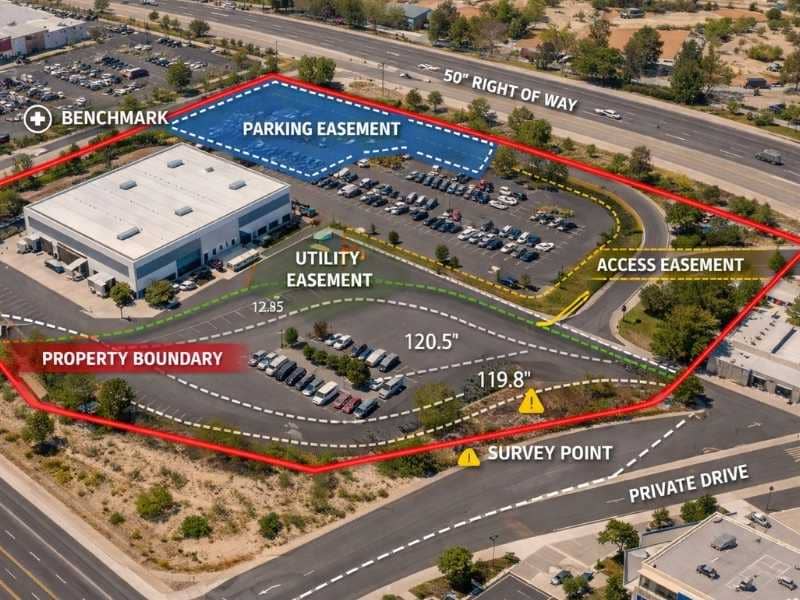
If you have ever been involved in a commercial real estate transaction, you may have heard the term ALTA survey come up during the closing process. It sounds technical, but the idea is simple. An ALTA survey is the most detailed type of land survey available. Lenders and title insurance companies require it because they need much more information than a standard boundary survey provides.
What ALTA Stands For
ALTA stands for the American Land Title Association. NSPS stands for the National Society of Professional Surveyors. Together, these two organizations publish the rules that define exactly what an ALTA survey must include. Any licensed surveyor performing an ALTA survey anywhere in the United States must follow the same set of rules. That consistency is a big part of what makes this survey so useful in commercial real estate deals.
The full name is an ALTA/NSPS Land Title Survey. Most people just call it an ALTA survey.
How It Differs From a Standard Boundary Survey
A standard boundary survey locates your property corners, confirms your boundary lines, and produces a certified plat. That is enough for most residential needs. An ALTA survey does all of that and goes much further.
An ALTA survey includes:
- All boundary lines and corners, confirmed and marked
- The location of all buildings and structures on the property
- Driveways, parking areas, and access points
- Easements and rights-of-way, shown on the plat as a drawing
- Utilities and underground infrastructure, where visible or documented
- Zoning classification and setback requirements
- Flood zone information based on current FEMA maps
- Any encroachments onto or from the property
- A detailed legal description of the property
The result is one document that gives lenders, title companies, attorneys, and buyers a complete picture of the property and any issues that could affect ownership or use.
Who Needs an ALTA Survey?
ALTA surveys are almost always required for commercial real estate transactions. If you are buying, selling, refinancing, or developing a commercial property, your lender or title insurer will likely require one before closing.
Common situations where an ALTA survey is needed include:
- Commercial property purchases: Lenders want to know exactly what they are financing. An ALTA survey removes uncertainty about boundaries, easements, and encroachments.
- Commercial refinancing: Many lenders require an updated ALTA survey when a commercial loan is refinanced, especially if significant time has passed since the last survey.
- Development and construction: Before breaking ground on a commercial project, developers need a precise picture of the site, including utilities, easements, and setbacks.
- Portfolio acquisitions: Investors buying multiple properties at once often require ALTA surveys on each parcel as part of their research process.
- Leasing transactions: Large retail or office leases sometimes require an ALTA survey to confirm the size and layout of the space being leased.
Residential buyers rarely need an ALTA survey. A standard boundary survey is enough for most home purchases. However, if you are buying a large rural property, a mixed-use building, or any property with a complicated easement history, an ALTA survey may be worth the extra cost.
How Much Does an ALTA Survey Cost?
ALTA surveys cost more than standard boundary surveys because they require more research, more field work, and stricter documentation. In Alabama, costs typically fall in these ranges:
| Property Type | Typical Cost | Timeframe |
| Small Commercial Lot | $3,000 to $6,000 | 2 to 4 weeks |
| Mid-Size Commercial Property | $6,000 to $12,000 | 3 to 5 weeks |
| Large or Complex Property | $12,000 to $20,000+ | 4 to 8 weeks |
Several things affect the final cost:
- Property size: Larger properties need more field time and research.
- Number of easements: More recorded documents mean more research and more items to show on the plat.
- Age of the property: Older properties with long deed histories take more time to research.
- Optional table items: The ALTA standards include a list of optional items a client can add. Each one increases the cost.
- Turnaround time: Rush requests usually cost more.
How Long Does an ALTA Survey Take?
Most ALTA surveys take two to six weeks from the date of the order. The timeline depends on the size and complexity of the property and how much public record research is needed. If your closing has a firm deadline, let your surveyor know right away so they can plan around it.
How to Order an ALTA Survey
Ordering an ALTA survey is straightforward. Contact a licensed land surveying firm and provide the property address, the legal description from the deed, and any title commitment documents from your title company. The title commitment lists the recorded easements and encumbrances the survey must address.
Your surveyor will review the documents, send you a written quote, and confirm the scope of work before starting. Make sure the quote specifies which optional ALTA table items are included, as these affect both the cost and the usefulness of the final product.
Frequently Asked Questions
Who orders an ALTA survey?
In most cases, the buyer or their lender orders the survey as part of the due diligence process. The cost is typically paid by the buyer, though this can be negotiated as part of the purchase agreement.
Do I need an ALTA survey for a residential property?
In most cases, no. A standard boundary survey is enough for home purchases. ALTA surveys are mainly used in commercial transactions where lenders and title companies need a higher level of detail.
Can any licensed surveyor perform an ALTA survey?
The survey must be done by a licensed professional land surveyor. Not all surveyors have experience with ALTA standards, which are detailed and specific. When ordering, confirm that the firm has completed ALTA surveys before and knows the current standards published by ALTA and NSPS.
What are optional table items in an ALTA survey?
The ALTA/NSPS standards include a list of extra items that can be added to the survey at the client’s request. These include things like parking counts, square footage calculations, and evidence of recent earth-moving activity. Your lender or title company may require specific items from this list, so review your title commitment carefully before placing your order.