Montgomery Land SurveyingPosted on by MontgomeryLS
We are Montgomery Land Surveyors
This site is intended to provide you with information on Land Surveying in the Montgomery, AL, and Montgomery County area of Alabama. If you’re looking for a Montgomery Land Surveyor, you’ve come to the right site. If you’d rather talk to someone about your land surveying needs, please call (334) 625-9540 today. For more information, please continue to read.
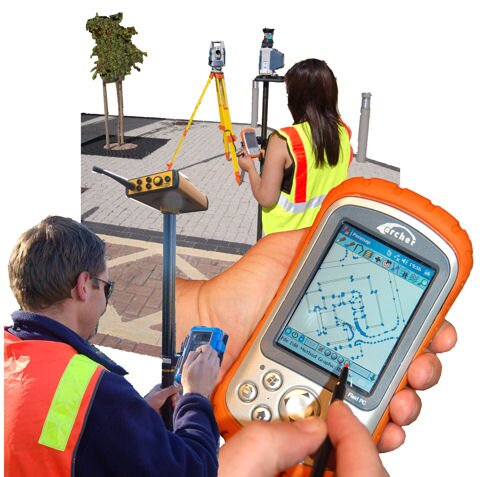
Land Surveyors are professionals who measure and make precise measurements to determine the size and boundaries of a piece of real estate. While this is a simplistic definition, boundary surveying is one of the most common types of surveying related to home and land owners. If you fall into the following categories, please click on the appropriate link for more information on that subject:

Land Surveying services:
I need to know where my property corners or property lines are. (Boundary Survey)
I have a loan closing or re-finance coming up on my home in a subdivision. (Lot Survey)
I need a map of my property with contour lines to show elevation differences for my architect or engineer. (Topo Survey)
I’ve just been told I’m in a flood zone or I ‘ve been told I need an elevation certificate in order to obtain flood insurance or prove I don’t need it. (Flood Survey)
I’m purchasing a lot/house in a recorded subdivision. (Lot Survey – See Boundary Survey)
I’m purchasing a larger tract of land, acreage, that hasn’t been subdivided in the past. (Boundary Survey)
If your needs don’t fall into one of the above, don’t worry, we’ll get to the bottom of it. CALL one of our land surveyors TODAY at (334) 625-9540 OR better yet, fill out a Contact Form request to discuss your survey needs.
Montgomery Land SurveyingPosted on by MontgomeryLS
Before any serious construction or development project begins, someone needs to understand the land itself. Not just where the boundaries are, but what the ground actually looks like. How steep is it? Where does water flow when it rains? Are there low spots that could flood a foundation? A topographic survey answers all of those questions, and it is often the first step a builder, engineer, or developer takes before drawing a single line on a plan.
What Makes a Topographic Survey Different
Most surveys focus on the edges of a property. A boundary survey, for example, tells you where your land begins and ends. A topographic survey looks at what is happening inside those edges. It measures the shape of the ground itself, recording elevation changes across the entire surface of a parcel.
The result is a topo map, a drawing that shows the highs and lows of your land using a system of lines, symbols, and elevation numbers. Where other surveys answer the question of where your property is, a topographic survey answers the question of what your land looks like from the ground up.
Understanding Contour Lines
The most important feature of a topo map is its contour lines. A contour line is a curved line that connects all points on a map that share the same elevation. Every point sitting on that line is at the exact same height above sea level.
Here is how to read them:
Lines close together mean the ground rises or falls steeply in that area.
Lines spread far apart mean the ground is relatively flat.
Circular lines often indicate a hill, a mound, or a depression in the ground.
The contour interval is the difference in elevation between each line. A map with a two foot contour interval means each line represents a two foot change in height.
Once you understand contour lines, a topo map tells you a great deal about a piece of land before you ever set foot on it. You can spot ridges, valleys, drainage paths, and flat buildable areas just by reading the lines.
What a Topo Survey Reveals About Your Land
A topographic survey goes beyond drawing lines on paper. It gives property owners, engineers, and builders specific information they cannot get from any other type of survey.
Drainage and Water Flow. Water always follows the lowest path. A topo survey shows exactly where that path is on your property. This matters when placing a foundation, designing a driveway, or planning a drainage system. Building in a low spot without accounting for water flow is one of the most common and costly mistakes in residential and commercial construction.
Slope and Grading Requirements. If your land slopes significantly, any construction project will require grading, which means moving earth to create a level surface. A topo survey gives engineers the data they need to calculate how much dirt must be moved, where it goes, and what it will cost. Without this data, grading estimates are little more than guesses.
Flood Risk and Low Areas. Low areas on a topo map are the first places to flood during heavy rain. Identifying them early allows designers to route drainage away from structures, raise finished floor elevations, or reconsider site layouts entirely. This is especially important in central Alabama, where heavy rainfall is common and flood risk is a real concern for many properties.
Existing Features and Improvements. A topo survey also records the location and elevation of existing features on the land, including trees, retaining walls, utility lines, curbs, and any structures already on the site. This gives designers an accurate starting point rather than building a plan around assumptions.
How LiDAR Has Changed Topographic Surveying
One of the biggest advances in topographic surveying in recent years is LiDAR, which stands for Light Detection and Ranging. LiDAR works by sending out rapid pulses of laser light and measuring how long each pulse takes to bounce back. By collecting millions of these measurements, the system builds an extremely detailed three-dimensional model of the ground surface.
LiDAR can be mounted on a drone, an aircraft, or a ground-based unit, and it collects data far faster than traditional field methods. For large or heavily wooded properties, this is a significant advantage. LiDAR pulses can pass through gaps in tree canopies and still reach the ground below, giving surveyors accurate elevation data even in areas that are difficult to access on foot.
For property owners, LiDAR-based topographic surveys mean faster turnaround times, higher accuracy, and more detailed maps than were possible just a decade ago.
When Do You Need a Topographic Survey?
A topographic survey is not needed for every property transaction, but it is essential in several situations:
You are planning to build a home, commercial building, or accessory structure on undeveloped land
Your property has significant slope, drainage issues, or areas prone to standing water
You are applying for a grading or land disturbance permit
A civil engineer or architect has requested topo data before designing your project
You are subdividing land and need elevation data for infrastructure planning
You want to understand flood risk on a property before purchasing it
How Much Does a Topographic Survey Cost?
The cost of a topographic survey depends on the size of the property, the density of existing features, and the level of detail required.
Property Size
Typical Cost
Timeframe
Small Residential Lot
$500 to $1,200
3 to 5 business days
One to Five Acres
$1,200 to $3,500
1 to 2 weeks
Five to Twenty Acres
$3,500 to $8,000
2 to 4 weeks
Large or Complex Site
$8,000 and up
4 to 8 weeks
Topo surveys are often ordered together with a boundary survey, especially when a project is in early planning stages. Combining both surveys with one firm can reduce overall cost and turnaround time.
Frequently Asked Questions
Do I need a topographic survey before building a house?
In many cases, yes. If your lot has any slope, drainage concerns, or grading requirements, your engineer or architect will need topo data before they can design your project. Some local jurisdictions also require a topo survey as part of the permitting process.
What are contour lines on a survey map?
Contour lines connect points of equal elevation across a map. They show the shape of the land by indicating where the ground rises and falls. Lines close together mean steep terrain. Lines spread apart mean flat or gently sloping ground.
How does LiDAR improve a topographic survey?
LiDAR collects millions of precise elevation measurements in a fraction of the time traditional methods require. It works well in wooded or hard to access areas and produces highly detailed three-dimensional models of the ground surface. For large properties, LiDAR significantly reduces field time and improves accuracy.
Montgomery Land SurveyingPosted on by MontgomeryLS
If you have ever been involved in a commercial real estate transaction, you may have heard the term ALTA survey come up during the closing process. It sounds technical, but the idea is simple. An ALTA survey is the most detailed type of land survey available. Lenders and title insurance companies require it because they need much more information than a standard boundary survey provides.
What ALTA Stands For
ALTA stands for the American Land Title Association. NSPS stands for the National Society of Professional Surveyors. Together, these two organizations publish the rules that define exactly what an ALTA survey must include. Any licensed surveyor performing an ALTA survey anywhere in the United States must follow the same set of rules. That consistency is a big part of what makes this survey so useful in commercial real estate deals.
The full name is an ALTA/NSPS Land Title Survey. Most people just call it an ALTA survey.
How It Differs From a Standard Boundary Survey
A standard boundary survey locates your property corners, confirms your boundary lines, and produces a certified plat. That is enough for most residential needs. An ALTA survey does all of that and goes much further.
An ALTA survey includes:
All boundary lines and corners, confirmed and marked
The location of all buildings and structures on the property
Driveways, parking areas, and access points
Easements and rights-of-way, shown on the plat as a drawing
Utilities and underground infrastructure, where visible or documented
Zoning classification and setback requirements
Flood zone information based on current FEMA maps
Any encroachments onto or from the property
A detailed legal description of the property
The result is one document that gives lenders, title companies, attorneys, and buyers a complete picture of the property and any issues that could affect ownership or use.
Who Needs an ALTA Survey?
ALTA surveys are almost always required for commercial real estate transactions. If you are buying, selling, refinancing, or developing a commercial property, your lender or title insurer will likely require one before closing.
Common situations where an ALTA survey is needed include:
Commercial property purchases: Lenders want to know exactly what they are financing. An ALTA survey removes uncertainty about boundaries, easements, and encroachments.
Commercial refinancing: Many lenders require an updated ALTA survey when a commercial loan is refinanced, especially if significant time has passed since the last survey.
Development and construction: Before breaking ground on a commercial project, developers need a precise picture of the site, including utilities, easements, and setbacks.
Portfolio acquisitions: Investors buying multiple properties at once often require ALTA surveys on each parcel as part of their research process.
Leasing transactions: Large retail or office leases sometimes require an ALTA survey to confirm the size and layout of the space being leased.
Residential buyers rarely need an ALTA survey. A standard boundary survey is enough for most home purchases. However, if you are buying a large rural property, a mixed-use building, or any property with a complicated easement history, an ALTA survey may be worth the extra cost.
How Much Does an ALTA Survey Cost?
ALTA surveys cost more than standard boundary surveys because they require more research, more field work, and stricter documentation. In Alabama, costs typically fall in these ranges:
Property Type
Typical Cost
Timeframe
Small Commercial Lot
$3,000 to $6,000
2 to 4 weeks
Mid-Size Commercial Property
$6,000 to $12,000
3 to 5 weeks
Large or Complex Property
$12,000 to $20,000+
4 to 8 weeks
Several things affect the final cost:
Property size: Larger properties need more field time and research.
Number of easements: More recorded documents mean more research and more items to show on the plat.
Age of the property: Older properties with long deed histories take more time to research.
Optional table items: The ALTA standards include a list of optional items a client can add. Each one increases the cost.
Turnaround time: Rush requests usually cost more.
How Long Does an ALTA Survey Take?
Most ALTA surveys take two to six weeks from the date of the order. The timeline depends on the size and complexity of the property and how much public record research is needed. If your closing has a firm deadline, let your surveyor know right away so they can plan around it.
How to Order an ALTA Survey
Ordering an ALTA survey is straightforward. Contact a licensed land surveying firm and provide the property address, the legal description from the deed, and any title commitment documents from your title company. The title commitment lists the recorded easements and encumbrances the survey must address.
Your surveyor will review the documents, send you a written quote, and confirm the scope of work before starting. Make sure the quote specifies which optional ALTA table items are included, as these affect both the cost and the usefulness of the final product.
Frequently Asked Questions
Who orders an ALTA survey?
In most cases, the buyer or their lender orders the survey as part of the due diligence process. The cost is typically paid by the buyer, though this can be negotiated as part of the purchase agreement.
Do I need an ALTA survey for a residential property?
In most cases, no. A standard boundary survey is enough for home purchases. ALTA surveys are mainly used in commercial transactions where lenders and title companies need a higher level of detail.
Can any licensed surveyor perform an ALTA survey?
The survey must be done by a licensed professional land surveyor. Not all surveyors have experience with ALTA standards, which are detailed and specific. When ordering, confirm that the firm has completed ALTA surveys before and knows the current standards published by ALTA and NSPS.
What are optional table items in an ALTA survey?
The ALTA/NSPS standards include a list of extra items that can be added to the survey at the client’s request. These include things like parking counts, square footage calculations, and evidence of recent earth-moving activity. Your lender or title company may require specific items from this list, so review your title commitment carefully before placing your order.
Montgomery Land SurveyingPosted on by MontgomeryLS
Most people assume their property lines are obvious. Maybe there is an old fence, a row of trees, or a concrete curb that seems to mark the edge. The truth is, none of those things are legally reliable. If you are planning to build, fence, or dig on your property, knowing exactly where your lines are is not optional. It is essential.
What Are Property Line Markers?
Property line markers are physical objects placed in the ground to show where one property ends and another begins. They are set by licensed land surveyors during a boundary survey and serve as the official, on-the-ground reference for your property corners.
Common types of markers include:
Iron pins or rebar: Small metal rods driven into the ground, usually at each corner of your lot. These are the most common types found in residential neighborhoods.
Concrete monuments: Larger and more permanent than iron pins, these are often used for subdivision corners or public land boundaries.
Plastic caps: A small colored cap placed over an iron pin that identifies the surveying firm or surveyor who set it.
Chiseled marks: Cut into concrete, asphalt, or rock where a pin cannot be driven into the ground.
Markers are often flush with the ground or slightly below the surface. Years of lawn maintenance, soil movement, and landscaping can bury them completely. Do not assume a marker is gone just because you cannot see it.
Where to Start Looking for Your Property Lines
Before calling a surveyor, there are a few steps you can take on your own.
Check Your Recorded Plat. A plat is a scaled map of your subdivision or land parcel recorded with the county. It shows the dimensions of your lot, the location of easements, and the layout of surrounding properties. You can request a copy from the Montgomery County Probate Court or find it through the county’s online records portal. Reading a plat takes a little practice, but it will tell you the exact measurements of your lot so you know where to look for markers.
Review Your Deed. Your deed contains a legal description of your property. For subdivision lots, this is usually simple, referencing a lot number and recorded plat. For rural or older properties, the description may use metes and bounds, which lists bearings and distances from a starting point. A metes and bounds description can be difficult to follow without surveying experience, but it gives you the raw data a surveyor uses to locate your lines.
Use Online Mapping Tools. Several free tools can give you a general idea of where your property lines fall. The Montgomery County GIS map and tools like Regrid or Google Earth allow you to view parcel boundaries overlaid on satellite imagery. These tools are useful for a rough visual reference, but they are not survey-accurate. Do not use them to make final decisions about where to build or install a fence.
Search for Iron Pins With a Metal Detector. If your plat shows where corners should be, a basic metal detector can help you locate buried iron pins. Walk the perimeter of your lot based on the dimensions shown on your plat and sweep the ground at each corner location. This works well in established neighborhoods where pins were set during the original subdivision.
When Online Tools Are Not Enough
Free online tools and plat maps are a good starting point, but they have real limits. Parcel boundaries shown on county GIS maps are often based on deed records, not actual field measurements. They can be off by several feet, which is more than enough to cause a serious problem if you are building close to a line.
You should contact a licensed land surveyor when:
You cannot locate your markers after searching
Your plat dimensions do not match what you find on the ground
You are planning to build a fence, addition, pool, or any structure near a property line
A neighbor is disputing where the line is
You are buying or selling the property
Your property is rural, irregularly shaped, or has a complex deed history
A licensed surveyor will locate or reset your corners, confirm your boundaries against the recorded deed, and give you a certified plat you can rely on legally.
What to Do If Your Markers Are Missing
Missing markers are more common than most people expect. Construction, landscaping, and even routine lawn care can disturb or bury them over time. In some cases, markers are removed intentionally, which is actually illegal in Alabama.
If you cannot find your markers, do not guess and do not rely on fences or landscaping as a substitute. The right move is to hire a licensed land surveyor to locate or re-establish your corners. This is a standard part of a boundary survey and gives you legally defensible markers you can build from with confidence.
Frequently Asked Questions
Can I find my property lines for free online?
Yes, partially. County GIS maps and tools like Regrid give you a visual approximation of your parcel boundaries. They are useful for a general overview but are not survey-accurate. Never use them as the sole basis for construction, fencing, or legal decisions.
What do property line markers look like?
Most residential markers are iron pins or rebar driven into the ground at each corner of your lot. They are often capped with a small colored plastic cap that identifies the surveyor who set them. They may be flush with the ground or slightly buried.
What should I do if I cannot find my property markers?
Hire a licensed land surveyor. They will locate existing markers or set new ones based on your recorded deed and plat. Do not guess or rely on neighboring fences as a substitute.
Are online property line tools accurate enough to build a fence?
No. Online parcel maps can be off by several feet. For anything involving construction or fencing near a property line, you need a certified boundary survey performed by a licensed land surveyor.
Can my neighbor move or remove a property line marker?
No. Moving, removing, or destroying a property line marker is a criminal offense in Alabama under state law. If you believe a marker has been tampered with, contact a licensed surveyor and document the situation.
What is the difference between a plat and a deed?
A deed is a legal document that describes what you own and transfers ownership. A plat is a scaled map that shows how your lot is laid out in relation to surrounding properties. You need both to fully understand your property boundaries.